
Sheen is the amount of light a dried paint film reflects, and it changes how a wall wears, how it cleans, and how the color reads more than most homeowners expect. The same color can look soft and chalky in flat, warm and even in eggshell, and almost like a different shade in semi gloss. Picking the right sheen for each room decides how the walls handle fingerprints, steam, sunlight and the next round of touch ups.
Here's the short version:
- Flat hides flaws and glare, which is why it belongs on ceilings and low traffic walls.
- Eggshell and matte give living spaces a soft, forgiving finish that still wipes down.
- Satin holds up to moisture and grease, so it earns its place in kitchens and bathrooms.
- Semi gloss and gloss enamel are for trim, doors and cabinets, where durability and crisp edges matter.
- Higher sheen shows more of the wall underneath, so prep matters more as the shine goes up.
What sheen actually is
Flat paint dries to a slightly rough, porous surface, so light scatters off it and the wall looks soft and even. Gloss paint dries to a smooth, hard film that bounces light straight back, which is why it looks shiny and feels slick.
That surface difference drives everything else. A flatter finish hides roller marks, small dents and patched areas. A glossier finish is tougher and easier to wipe, but it telegraphs every ripple in the drywall. The names run flat, matte, eggshell, satin, semi gloss and gloss, and manufacturers draw the lines in slightly different places. What stays true is the tradeoff. As sheen goes up, durability and cleanability go up, and forgiveness goes down.
The spectrum, in simple terms
Flat. No visible shine. Hides imperfections and glare, scuffs easily, and can take on a shiny spot if scrubbed hard. Touch ups blend in almost invisibly.
Matte. A soft, velvety look with a little more washability than flat.
Eggshell. A faint sheen. The most common choice for living room and bedroom walls because it cleans reasonably well and still hides most texture and repair work.
Satin. A smooth, pearl like finish that resists moisture and wipes clean. Reflects enough light that wall prep needs to be tighter.
Semi gloss. Noticeably shiny, hard and scrubbable. For surfaces that get touched, bumped and cleaned constantly.
Gloss. The hardest and shiniest finish, for doors, cabinets and furniture that have been sanded smooth.
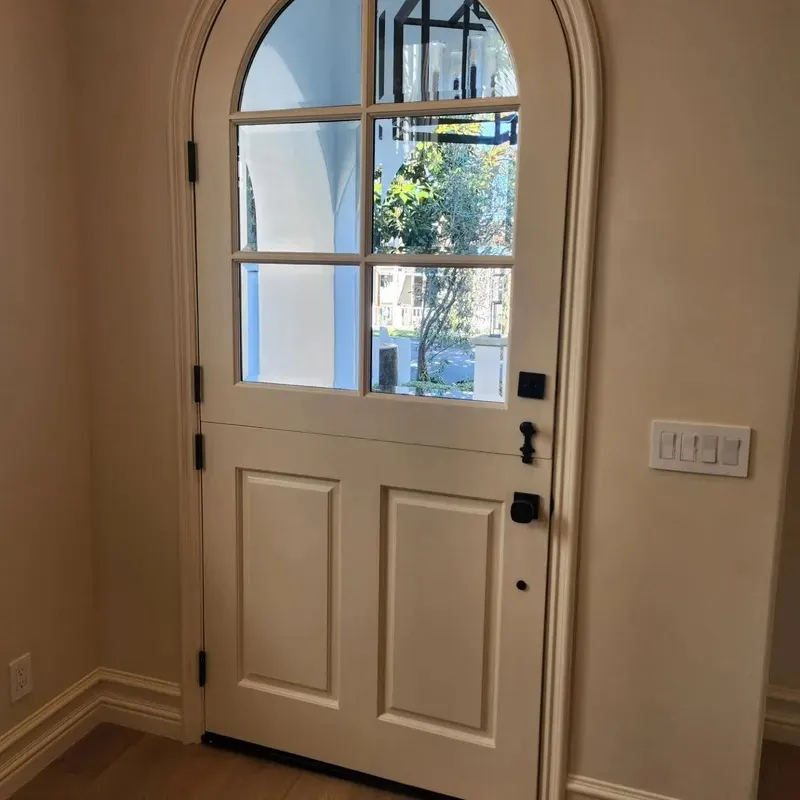
Interior trim and built in cabinetry finished in a smooth, higher sheen enamel while the walls stay in a softer finish.
Ceilings, and why flat is almost always right
Ceilings catch light from windows and fixtures at a low angle, which makes every seam, patch and roller line stand out under anything with shine. Flat ceiling paint kills that glare, lets the ceiling disappear the way it should, and helps a room feel taller and calmer.
The exception is a bathroom or laundry ceiling that regularly fogs up. There, a matte or eggshell made for damp spaces holds up better than a true flat, and the small amount of extra sheen is worth it.
Living rooms and bedrooms
These are the rooms where you look at the walls the most and touch them the least, so the goal is a finish that looks soft and even and still handles an occasional wipe. Matte gives the richest color and the most forgiving surface. Eggshell adds a little durability for a home with kids or pets brushing past. If the walls have been patched or the drywall has some age to it, stay on the lower end, because shine highlights repairs.
Hallways, stairwells and kids rooms
Hallways and stairwells take the most abuse in a house. Backpacks, hands, furniture on moving day and the dog all end up on those walls. A scrubbable eggshell or satin means scuffs come off with a damp cloth instead of a repaint. The tradeoff is that touch ups on satin can show as a slightly different sheen, so keep a labeled can of the original batch. Kids rooms follow the same logic.
Kitchens and bathrooms
Moisture, grease and cleaning products are the enemies here. Steam settles on bathroom walls and cooking film settles on everything near the range. Satin sheds that and wipes clean, and it resists the spotting and streaking that lower sheens develop in damp rooms. Semi gloss works on a wall that gets splashed directly, but on large areas it can look a little plasticky, so most homes land on satin for the walls and semi gloss for the trim and vanity. Ventilation matters as much as the paint.
Trim, doors and cabinets
This is where enamel and the higher sheens rule. Baseboards, door casings, crown molding, doors and cabinet fronts get handled, kicked and cleaned more than any wall. A semi gloss or gloss enamel dries to a hard shell that takes that abuse, wipes clean and gives edges the crisp, finished look that makes a repaint feel complete.
Because these finishes show every brush stroke and dust nib, the prep is the whole job. Sanding, filling nail holes, caulking gaps, priming bare or glossy spots and laying the enamel on evenly is what separates a sharp trim job from a rushed one. Cabinets go further still, with degreasing and a factory style finish, which is why kitchen cabinet painting is treated as its own trade rather than a wall job with a smaller brush.
How sheen changes the color you picked
Put the same color in flat, eggshell and semi gloss on one wall and you will see three different colors. Flat absorbs light and reads softer and a shade lighter. Eggshell shows the true tone. Semi gloss reflects the room back at you, so the color looks deeper and cooler and shifts with the time of day.
Samples should go on the actual wall in the sheen you plan to use. A gray that looks perfect in a flat sample can turn steely on the trim in semi gloss.
Coastal light and glare
Homes near the coast in Orange County tend to have big windows, bright afternoon light and smooth walls, and that combination punishes shine. A satin wall facing a wall of glass can look streaky late in the day even when it was rolled perfectly, because the low sun rakes across it. In rooms like that, matte or eggshell walls with the sheen saved for the trim look better and stay looking better. The reverse holds in dim hallways, where a touch more sheen bounces what little light there is.
How Sharp's Painting specs sheens on a whole house repaint
On a whole home interior repaint, Sharp's Painting starts with a walk through rather than a default sheen for everything. Robert Sharp looks at how each room is used, how the light comes in and what shape the walls are in, then recommends a sheen room by room. The typical result is flat on ceilings, matte or eggshell on living areas and bedrooms, satin in kitchens, bathrooms and hallways, and a semi gloss enamel on trim, baseboards and crown molding.
Color and sheen get decided together. The color consultation and estimate are free, and Robert brings up to 10 free paint samples so you can see the color in the actual finish on your own walls before committing. Prep is done the same way regardless of sheen, with walls patched and sanded smooth, because a higher sheen only looks right over a surface that was prepared for it.
Sharp's Painting is a licensed, bonded and insured California C-33 painting contractor, license 1048840, with 27 years of experience in Huntington Beach and coastal Orange County. Robert runs his own crew and does not subcontract, the owner is on the job daily, and you pay nothing until the work is done and you are satisfied. To talk through the sheens for your own rooms, request a free estimate.
FAQs
Can I use one sheen for the whole house?
You can, and eggshell is the usual compromise. You give up some durability in the kitchen and bathrooms and some forgiveness on rough walls, and ceilings still look best in flat.
Why does my touch up look shinier than the wall?
A touch up brushed over a rolled wall reflects light differently, and the effect is worst on satin and semi gloss and almost invisible on flat and matte. Using the same batch of paint, the same roller nap and feathering the edges reduces it.
Does a higher sheen mean the paint is better quality?
No. Sheen describes the finish, not the grade of the paint. A high quality matte can outlast a bargain semi gloss. Choose the sheen for how the room is used and the light it gets, then choose the quality of the paint within that sheen.
Should trim always be shinier than the walls?
Almost always. Trim takes more contact and cleaning than walls, and the contrast between a soft wall and a crisp enamel edge is what makes the room look finished. The exception is a deliberately flat, modern look where walls and trim share one low sheen, which only works on very smooth, well prepped surfaces.