
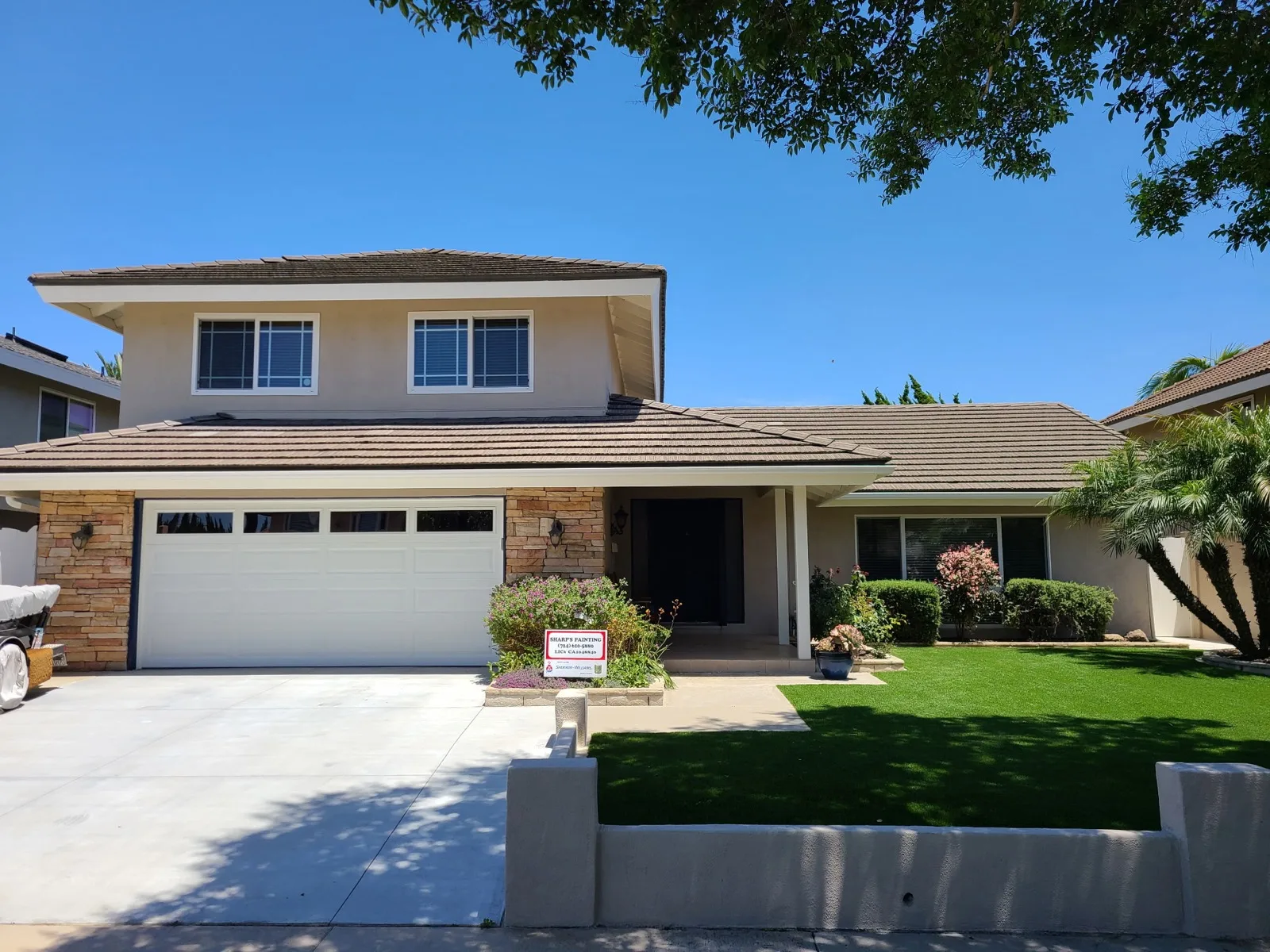
Maintaining a home's appearance goes beyond keeping it clean or well-landscaped; the quality of its paint directly impacts both aesthetics and structural integrity. Walls, trim, and exterior surfaces endure constant exposure to sunlight, moisture, and everyday wear, which gradually diminishes color vibrancy and surface protection. Identifying when a home requires repainting is essential to preserving its value and curb appeal. While cosmetic concerns often drive the decision, there are deeper functional reasons to refresh paint, including protection against damage from moisture, pests, and UV exposure. Fresh paint also reinforces the durability of building materials, preventing premature aging and costly repairs. Timely maintenance can save significant expenses in the long run while keeping the home looking polished and well-cared-for.
Homeowners often delay repainting, assuming minor imperfections are purely visual, but these small signs often indicate underlying issues that require attention. Ignoring fading, chipping, or moisture-related damage can accelerate deterioration, compromise indoor air quality, and reduce overall property value. Even minor issues, like small cracks or water stains, can escalate into serious problems if left unchecked. Understanding the specific indicators of aging or damaged paint equips homeowners with the knowledge to plan timely maintenance. This guide explores the top five signs that signal a fresh coat of paint is needed, offering practical insights, expert reasoning, and actionable steps to ensure every surface remains vibrant, protected, and enduring, both inside and out.
1. FADING AND DISCOLORATION
Sunlight Exposure and UV Damage
Continuous exposure to sunlight causes paint to lose its original hue. Ultraviolet rays break down pigment molecules over time, resulting in fading or uneven discoloration. Exterior walls facing direct sunlight are particularly vulnerable, often appearing washed out compared to shaded areas. For interiors, prolonged exposure near windows or glass doors can gradually dull color intensity.
Indicators of Fading
Fading is more than a minor cosmetic concern. Look for uneven tones where one section of a wall looks lighter than another. Peeling may accompany fading if the underlying paint has lost adhesion. Areas around doorways, windows, and high-traffic zones often fade faster, signaling a need for repainting.
Benefits of Addressing Fading
Refreshing faded paint restores the visual appeal and prevents further deterioration. High-quality paint also acts as a protective barrier, safeguarding surfaces against moisture, mold, and UV-related cracking. Timely repainting ensures that colors remain vibrant, contributes to a cohesive home aesthetic, and strengthens the resilience of underlying materials.
2. CRACKING, PEELING, AND FLAKING
Causes of Surface Deterioration
Paint is meant to provide both beauty and protection. Cracks or peeling usually indicate that the surface has experienced stress. This can result from temperature fluctuations, high humidity, or improper previous applications. Older paint layers naturally lose elasticity, making them more prone to flaking and cracking.
How to Identify Severe Damage
Fine hairline cracks might seem superficial, but widespread peeling, blistering, or curling edges suggest deeper issues. A simple test involves pressing a fingernail against the surface: if the paint comes off easily, repainting is necessary. Interiors may show bubbling near windows or kitchens, while exteriors may peel around siding, eaves, or areas exposed to rain.
Preventing Structural Damage
Addressing cracking and peeling early prevents moisture infiltration, wood rot, and mold growth. Proper surface preparation before repainting, including scraping, sanding, and priming, enhances adhesion and prolongs paint life. Regular maintenance minimizes repair costs and ensures that surfaces remain fully protected while visually appealing.
3. STAINS, WATER MARKS, AND MILDEW
Moisture-Related Issues
Water stains often appear as discoloration or streaks, typically near ceilings, window sills, or plumbing fixtures. Leaks, condensation, or inadequate ventilation can lead to persistent dampness, encouraging paint discoloration and mildew growth.
Recognizing Signs of Mildew
Mildew presents as dark, patchy spots on walls or ceilings and may have a musty odor. These stains are particularly common in bathrooms, basements, and exterior walls where humidity is high. Prolonged exposure to moisture can deteriorate the paint layer and underlying surfaces.
Actionable Solutions
Before repainting, it is essential to address the source of moisture. Fixing leaks, improving ventilation, and treating mold-affected surfaces ensures that the new paint adheres properly and resists future staining. Using mold- and mildew-resistant paint enhances durability in moisture-prone areas and contributes to healthier indoor air quality.
4. CRAYON MARKS, SCUFFS, AND SURFACE WEAR
High-Traffic Areas
Interior walls in kitchens, hallways, and children’s rooms endure constant interaction. Everyday activities result in scuffs, scratches, and marks that gradually compromise the finish. While cleaning may remove minor blemishes, repeated contact eventually dulls or damages the paint layer.
Identifying Wear Patterns
Inspect areas around light switches, door frames, staircases, and furniture edges. Fading, scuffing, or glossy wear patches indicate thinning paint that may no longer provide sufficient protection or aesthetic appeal. These signs are often subtle at first but accumulate over time.
Benefits of Repainting High-Traffic Surfaces
Applying a fresh coat of paint restores uniformity, enhances durability, and refreshes interior spaces without the need for major renovation. Using washable or scrubbable paints in high-traffic areas ensures long-term performance, reducing the frequency of maintenance while improving the overall appearance and cleanliness of the home.
5. OUTDATED COLORS OR STYLE
Shifting Design Trends
Beyond damage and wear, aesthetic relevance plays a critical role in maintaining a home’s value. Paint colors influence mood, perceived space, and property appeal. Trends change over time, and older, dated color palettes may not complement modern furnishings or interior design preferences.
Recognizing the Right Time for a Refresh
If the current color feels heavy, dull, or no longer aligns with personal taste, repainting is a practical solution. Updating trim, accent walls, or entire rooms with contemporary shades can transform a home’s atmosphere instantly. Even subtle changes, like switching from warm to neutral tones, can improve visual harmony.
Strategic Color Choices
Selecting the right color enhances natural light, creates the illusion of more space, and complements architectural features. Incorporating finishes such as satin, semi-gloss, or matte provides both aesthetic appeal and functional benefits, including easy cleaning and durability.
ADDITIONAL CONSIDERATIONS FOR HOME PAINTING
Surface Preparation and Longevity
Repainting without proper preparation compromises results. Cleaning surfaces, repairing cracks, sanding uneven areas, and applying a suitable primer ensures optimal adhesion and uniform coverage. Ignoring these steps can lead to premature peeling, bubbling, or uneven color distribution.
Choosing Quality Paints
Investing in high-quality paints with durable pigments, UV protection, and moisture resistance significantly extends the lifespan of the new finish. Interior paints with low volatile organic compounds (VOCs) enhance air quality, while exterior paints with weatherproof properties safeguard siding, trim, and architectural details.
Seasonal Timing
Timing repainting projects can impact efficiency and longevity. Exterior paint performs best in dry, mild weather, while interior projects benefit from controlled temperatures and proper ventilation. Planning around seasonal conditions ensures optimal drying, curing, and adhesion, reducing the likelihood of long-term defects.
REAL-WORLD SCENARIOS
Consider a two-story home with fading siding on the southern exposure. Neglecting repainting led to extensive wood damage beneath peeling paint, requiring structural repairs. By repainting earlier, these costs could have been minimized. Similarly, an interior hallway with high foot traffic shows scuffs and worn finishes that diminish the home's aesthetic appeal. Fresh paint not only restores appearance but also protects underlying materials, improving long-term durability and reducing maintenance cycles.
In another example, a bathroom with persistent mildew issues illustrates the importance of addressing environmental conditions before repainting. Treating moisture sources and selecting mold-resistant paint ensured that the new finish remained vibrant and hygienic. These scenarios highlight the connection between timely repainting, protective benefits, and aesthetic enhancement, demonstrating the tangible impact of a well-executed paint maintenance plan.
BEST PRACTICES FOR HOME PAINTING
Professional Assessment
Hiring experts for a professional assessment ensures that hidden issues are identified early. Professionals evaluate adhesion, surface integrity, moisture levels, and appropriate materials. This guidance helps avoid future failures and ensures high-quality outcomes.
Consistent Maintenance
Routine inspections and minor touch-ups prevent minor imperfections from escalating into major problems. Regularly checking exterior siding, interior walls, and trim for wear, staining, or fading allows homeowners to schedule repainting strategically, preserving both aesthetics and protection.
Leveraging Technology
Modern tools such as paint thickness gauges, moisture meters, and digital color-matching systems improve precision and efficiency. Using these technologies ensures uniform coverage, accurate color selection, and longer-lasting results, reinforcing the value of professional-grade applications even in DIY scenarios.
TRUSTED PROFESSIONALS DELIVER EXCEPTIONAL HOME PAINTING SERVICES
Timely repainting preserves both the appearance and structural integrity of a home. Recognizing signs like fading, peeling, moisture stains, surface wear, or outdated colors allows homeowners to address issues proactively. Proper preparation, quality paint selection, and attention to environmental factors maximize the lifespan of finishes while enhancing indoor comfort and exterior curb appeal.
At Sharp's Painting, over 27 years of experience in Huntington Beach, California, have refined the approach to painting projects with precision, professionalism, and lasting results. From identifying early warning signs to executing high-quality applications, we deliver comprehensive painting solutions tailored to each home. Our commitment to excellence ensures surfaces remain vibrant, protected, and reflective of personal style. Trust in our expertise to guide the process from inspection to final coat, combining superior craftsmanship with attentive service. Choosing Sharp's Painting guarantees a durable, visually stunning finish that enhances property value and provides peace of mind for years to come.