
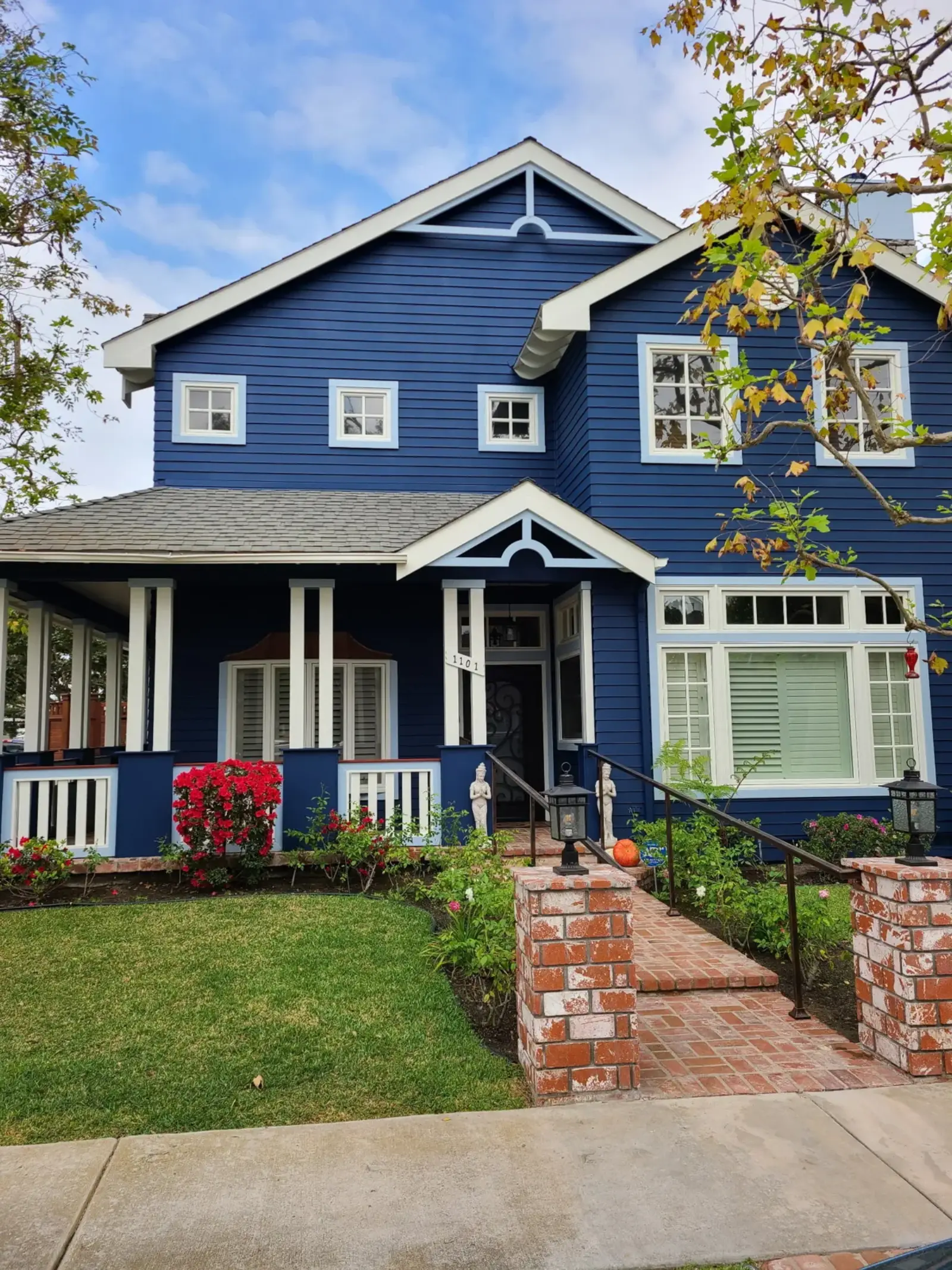
If I live near the coast, I should expect exterior paint to last about 3 to 7 years on many homes, not 7 to 10 years like homes farther inland.
That shorter life comes down to a few things working together:
- Salt air keeps pulling moisture onto surfaces
- Sun and UV break down the paint film
- Wind-driven rain pushes water into joints and cracks
- Wood trim and fascia often fail before large wall areas
- Regular washing and yearly checks can help slow damage
- Most coastal homes should plan for repainting around 5 to 7 years
Here’s the simple version: if I wait until I see major peeling, I’ve probably waited too long. Fading, chalking, cracked caulk, rust spots, and hairline cracks are often the first signs that a coastal paint job is close to the end of its life.
A few numbers from the article stand out:
- Stucco: about 5–10 years
- Wood siding and trim: about 3–7 years
- Fiber cement: about 5–10 years
- Exterior cleaning: every 6–12 months
| Surface | Common coastal lifespan | Main issue |
|---|---|---|
| Stucco | 5–10 years | Cracks let in moisture and salt |
| Wood siding & trim | 3–7 years | Movement and water break adhesion |
| Fiber cement | 5–10 years | UV wear and salt buildup |
Bottom line: near the coast, paint does not fail all at once. It usually starts with small warning signs on the sunniest or windiest sides of the house. If I clean the exterior, seal joints, and repaint before peeling spreads, I can help avoid bigger repair costs.
Below, I break down what shortens paint life, which surfaces wear out first, and when it makes sense to repaint.
What exterior paint will last best on my beach house?
Why Paint Fails Faster Near the Coast
Coastal conditions don’t just wear paint down. They hit it from several angles at the same time. Salt, moisture, wind, and sun all work together to shorten paint life, especially when you compare coastal homes with homes farther inland.
Salt Air, Moisture, and Wind Put Surfaces Under Constant Stress
Salt is one of the main reasons paint breaks down near the coast. Salt crystals settle into the paint film and pull moisture back to the surface on humid days. That creates a repeated wet-dry cycle that slowly wears coatings down, even when the weather seems mild. In dry conditions, the salt doesn’t disappear. It stays in the coating.
Wind makes the problem worse. Coastal winds carry airborne salt and abrasive grit that can dull the finish and slowly pit softer materials like wood. Wind-driven rain also forces salt and moisture into seams and joints. Once that happens, you can end up with swelling, loss of adhesion, and peeling.
And that’s only part of the problem. UV damage adds another layer of wear.
Strong Sun and Heat Break Down Paint Binders
UV exposure is the other big force working against coastal paint. The sun’s rays break down the resins that hold paint together. That leads to chalking, fading, and a brittle paint film that cracks when the surface is under stress.
South- and west-facing walls usually take the worst beating because they sit in intense afternoon sun for long stretches. Coastal homes also go through fast temperature swings. A surface can heat up fast in direct sun, then cool off just as fast when coastal fog or rain rolls in. Paint and the material underneath both expand and contract during those shifts. If the coating isn’t made to handle that movement, it starts to crack and pull away from the surface sooner than expected.
Coastal Exposure Varies by Side of the House
Not every wall on a coastal home ages at the same pace. Ocean-facing and windward walls pick up much more salt and grit than sheltered sides, and they often fail sooner. South- and west-facing elevations also fade and chalk faster because of heavier UV exposure. North-facing and shaded walls have a different problem: they stay damp longer, which makes them more likely to grow mildew and algae instead of suffering sun damage.
Smaller surfaces often wear out first. Trim, fascia, soffits, and window sills tend to fail before large wall areas because they flex more, hold water, and trap dirt. Homes close to tidal water deal with the heaviest salt exposure. That’s why paint life can vary so much from one side of the house to another, and even from one surface to the next.
How Long Exterior Paint Lasts by Surface Type
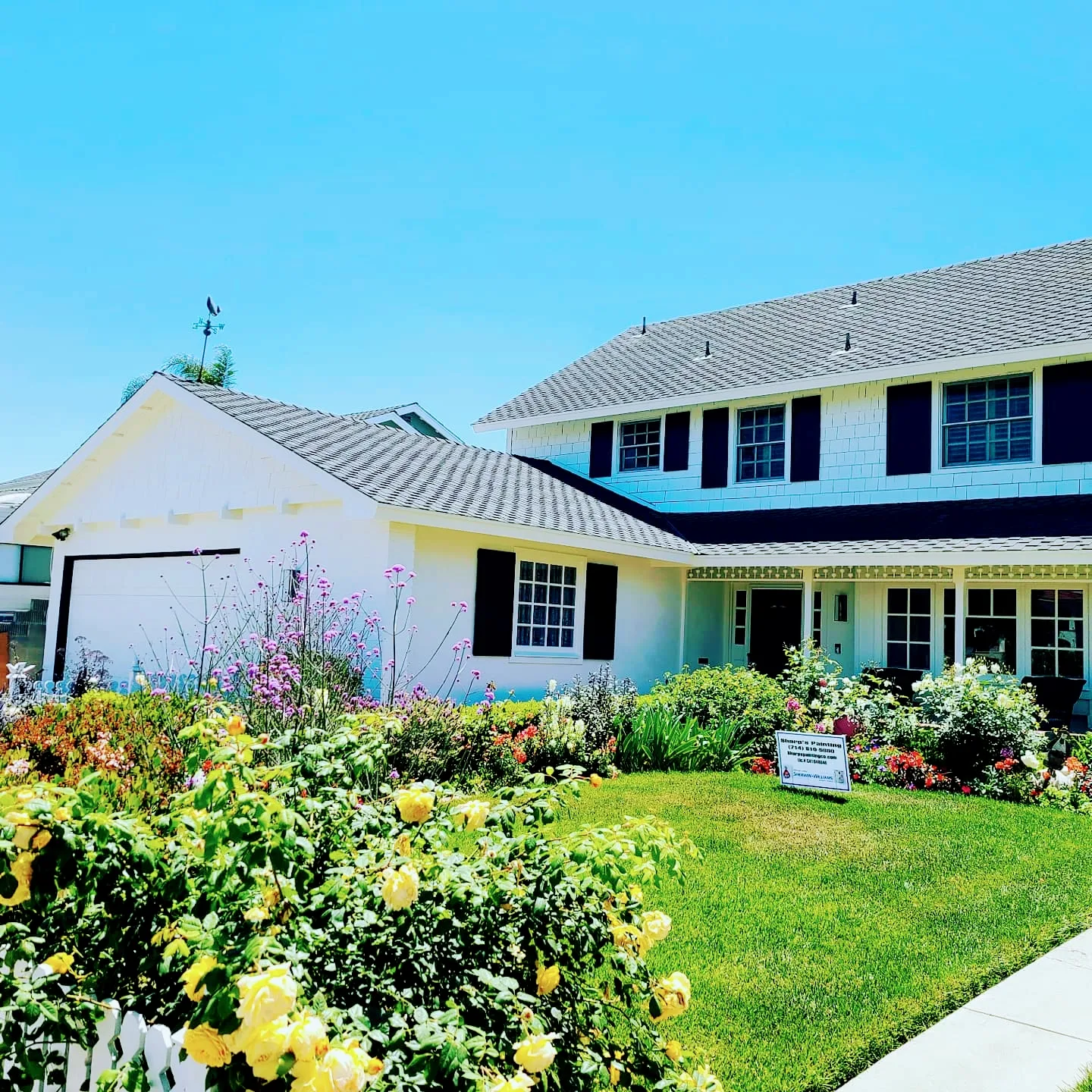
A rough lifespan gives you a better sense of when to repaint before small paint issues turn into bigger repair bills. Along the coast, surface type makes a big difference.
| Surface Type | Typical Coastal Lifespan | Main Failure Driver |
|---|---|---|
| Stucco | 5–10 years | Unsealed cracks let in salt and moisture |
| Wood Siding & Trim | 3–7 years | Moisture absorption and constant movement break adhesion |
| Fiber Cement & Similar Siding | 5–10 years | Salt buildup and UV fade wear down the topcoat |
Stucco: About 5–10 Years With Good Prep and Maintenance
Stucco often lasts longer than wood, but there's a catch: the cracks need to stay sealed. If small hairline cracks are left open, moisture can get in behind the paint and start breaking the coating down from the back side. Homes closer to tidal water usually fall near the shorter end of that 5- to 10-year range.
Wood Siding and Trim: About 3–7 Years Near the Coast
Wood is the high-maintenance one here. It expands and contracts more than other common siding materials, and that steady movement wears out the bond between the paint and the wood faster than almost anything else.
The first spots to give out are often:
- Trim
- Fascia boards
- Window sills
Those areas move more and tend to hold water around joints. Even with solid prep and a quality coating, coastal wood usually maxes out at about 7 years. Exposed trim often starts failing earlier.
Fiber Cement and Similar Siding: About 5–10 Years
Fiber cement and similar siding usually hold paint longer because they absorb less moisture and move less than wood. That said, they still need tight caulk lines and a strong topcoat to keep water out.
Factory-applied finishes may come with a 15-year warranty, but site-applied paint in coastal climates usually needs repainting every 5–10 years. The main problems are salt buildup and UV fade, especially on south- and west-facing walls. Once joints open up, moisture can slip behind the siding and cut paint life in a hurry.
Once you have a sense of how long each surface tends to last, it gets easier to spot failure early - before the damage reaches the material underneath.
Signs the Paint Is Reaching the End of Its Life
Small flaws happen. That’s normal. But when a coastal paint job shifts from mild fading to chalking, blistering, peeling, or cracking, it’s time to act.
Start by checking the parts of the house that take the most abuse: exposed walls, trim, and window edges. On most homes, trouble shows up first on the windward side and the walls that get hit hardest by sun.
| Symptom | Likely Coastal Cause | Urgency Level |
|---|---|---|
| Fading / Loss of Depth | UV breakdown of pigments | Low: Cosmetic, but signals binder wear |
| Chalking (Powder) | UV degradation of paint binders | Moderate: Plan repaint soon |
| Blistering / Bubbling | Trapped moisture or salt under the coating | High: Scrape and spot-prime immediately |
| Peeling / Flaking | Moisture cycles or salt-driven adhesion loss | High: Underlying material is now exposed to rot |
| Efflorescence | Moisture moving through masonry or stucco | High: Indicates failed seal; risk of surface damage |
| Rust Staining | Salt-accelerated corrosion of fasteners | Moderate: Treat with rust-inhibitive primer |
| Hairline Cracking | Thermal expansion or substrate stress | Moderate: Seal to prevent water intrusion |
Early Warning Signs: Fading, Chalking, and Loss of Color Depth
Fading often shows up first on the walls that get the most direct sun. By itself, that may look like a cosmetic issue. The bigger warning sign is what tends to come next: chalking.
Chalking leaves a powdery film on the surface. An easy way to check is the rub test. Run a finger across a sun-exposed wall. If you see a light dusting of pigment on your hand, the coating is starting to break down. At that point, plan to repaint within 12–18 months. Once fading turns into chalking, the clock is ticking.
Moisture Damage Signs: Blistering, Bubbling, and Peeling
Blistering and bubbling usually mean moisture or salt has broken the bond under the coating. You’ll see small raised pockets or swollen spots in the paint. Ignore them, and peeling is often next.
That matters because once the paint lifts, the material underneath is no longer shielded from damp air, rain, and salt.
Substrate Risk Signs: Cracking, Efflorescence, and Rust Bleed
Hairline cracks in stucco, especially near window corners and control joints, give wind-driven rain and salt a direct path into the material below. Efflorescence - the white, crusty mineral buildup you sometimes see on masonry or stucco - means moisture is moving through the wall. Rust stains around screws, nails, or other metal parts point to salt-driven corrosion that can weaken fasteners over time.
Each of these signs points to the same problem: the coating is no longer doing its job.
When you spot them, clean the area, handle small repairs, and get repainting on the calendar before the damage spreads.
What Extends Paint Life and When to Plan Repainting
Choose Premium 100% Acrylic Exterior Systems Built for UV and Moisture
Once you know how long coastal paint tends to last, the next step is making that paint job last as long as possible. Near the coast, that comes down to one thing: using a coating system that can handle UV, moisture, and salt. In plain English, your coating choice has a big effect on paint life.
100% acrylic coatings stay flexible, hold up against UV, and let moisture escape. That matters in coastal areas, where surfaces heat up, cool down, and deal with damp air on a regular basis. If you're dealing with cracked stucco, elastomeric or high-build coatings can bridge hairline gaps and help the finish last longer.
Primer plays a big part too. On chalky, patched, or bare spots, a penetrating or marine-grade primer helps the finish coat stick the way it should. And on trim, doors, and other exposed horizontal surfaces, satin or semi-gloss sheens usually perform better than flat finishes. They shed moisture and salt residue more easily, and they’re simpler to clean between paint cycles.
Product choice matters. Maintenance matters just as much.
Wash Salt Residue and Inspect the Exterior Every 6–12 Months
Wash the exterior every 6 to 12 months using a low-pressure rinse and a mild detergent. That helps remove salt and grime without forcing water into the surface. Homes with heavier exposure should be cleaned more often.
During each inspection, look closely at caulk lines around windows, doors, and trim joints. Cracked caulk can let moisture slip behind the paint film, and that’s where trouble starts. Reapplying a high-grade, flexible sealant at those joints during an annual inspection can help prevent peeling and wood rot.
Plan Most Coastal Repaints Around 5–7 Years, Sooner for Heavy Exposure
For most coastal homes, it makes sense to plan for repainting every 5 to 7 years. Homes with harsher exposure may need attention sooner.
If you spot fading, chalking, cracked caulk, or early peeling, it’s smart to schedule repainting before moisture damage turns into a bigger repair. The idea is simple: deal with wear early, before moisture reaches the substrate.
Conclusion: Set Realistic Expectations and Protect the Exterior Early
Coastal paint wears out faster than paint inland. That’s why early maintenance matters more than waiting until you can see peeling.
If you stay ahead of the damage, those timelines are manageable. Routine rinsing, basic inspections, and repainting at the right time help paint last longer and cut repair costs. Surface type and exposure play a big part in how fast a finish starts to break down.
The practical next step is simple: watch for early wear instead of waiting for failure.
Don’t wait for peeling. Repaint when fading or chalking becomes consistent. Plan repainting before the finish fails.
FAQs
How close to the ocean makes paint fail faster?
The closer a home is to the ocean, the faster paint tends to wear out. Salt-heavy air leaves behind salt and grit, holds moisture against the surface, and speeds up damage from harsh coastal sun.
That can lead to faster fading, chalking, mildew, cracking, and peeling. You’ll often see the worst wear on windward walls and on sunny south- and west-facing sides. Homes within about a mile of saltwater often land on the shorter end of repaint cycles.
Can I repaint only the damaged sides of my house?
Yes, but only if you prep the damaged areas first.
Near the coast, salt air and moisture can slip behind loose or cracked paint. When that happens, a small problem doesn’t always stay small.
Clean the surface, scrape or sand off failing paint, prime any patched or bare spots, and re-caulk joints if needed. Skip that prep, and the new paint can fail sooner and look uneven next to the old finish.
What time of year is best to repaint a coastal home?
The best time to repaint a coastal home is during the cooler, drier parts of fall and late winter. During those periods, the weather is usually more predictable, and paint has a better chance to cure the way it should.
If you need to paint during warmer months, aim for calm mornings. That helps you avoid sea breezes, heavy humidity, and sudden showers. After storms, make sure every surface is fully dry before you start, and try to wrap up the job before hurricane season.