
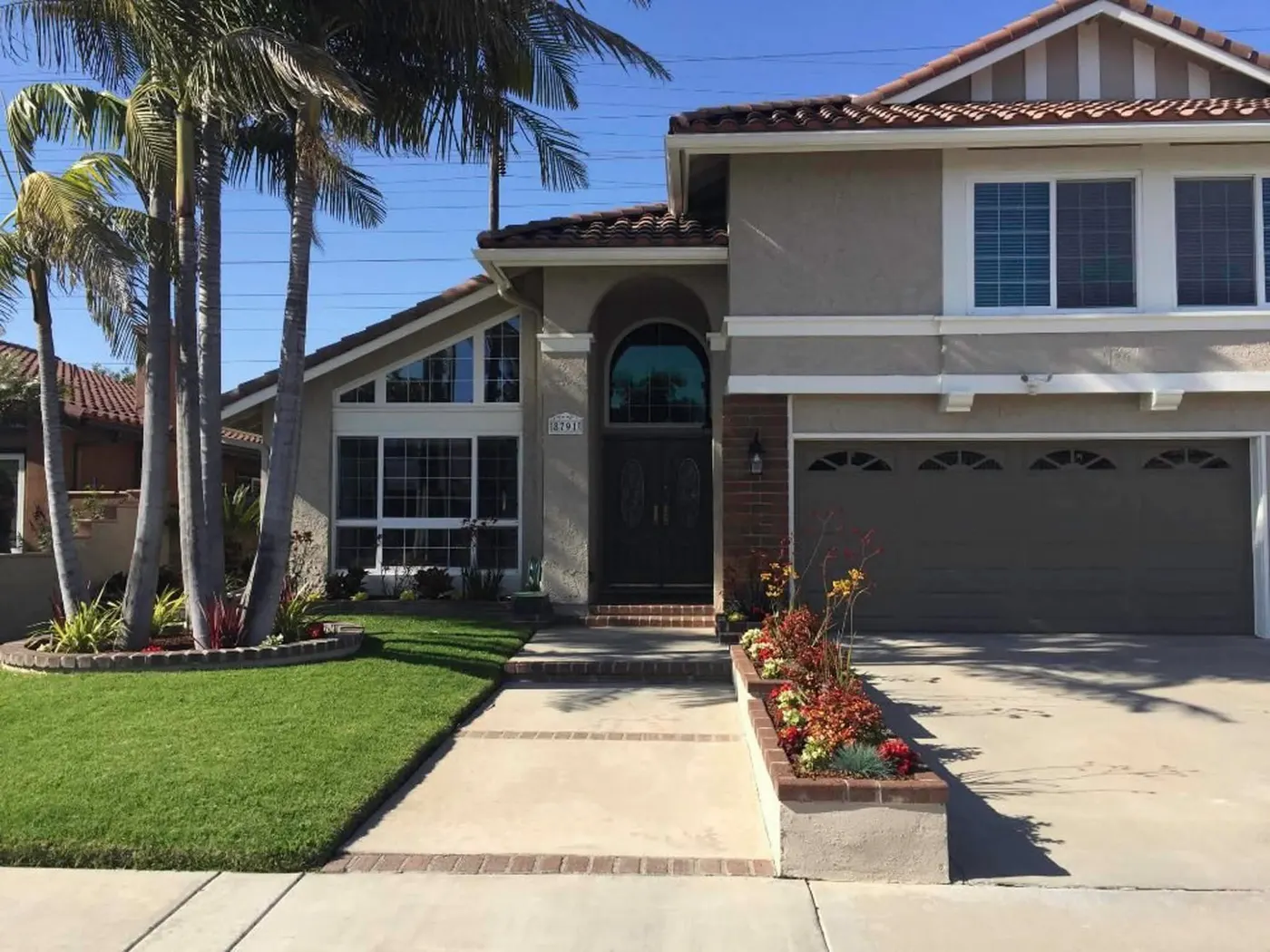
Coastal paint fails early when salt, sun, and damp air hit at the same time. If I want exterior paint to last longer near the Orange County coast, I need to focus on three things: the right coating system, careful prep, and simple upkeep every 6 months.
Here’s the short answer:
- Salt buildup matters. Once surface salt gets above 5 µg/cm², paint failure risk goes up.
- UV breaks down paint binders, which leads to fading and chalking.
- Moisture gets into cracks and failed caulk lines, which can lead to blistering, peeling, mildew, and algae.
- Stucco, siding, trim, doors, and exposed metal need different treatment.
- Metal parts need a 3-coat system for corrosion control in salt air.
- Maintenance is simple: rinse with water every 6 months, inspect edges and corners once a year, and fix small failures right away.
If I had to boil the whole article down to one paint plan, it would be this:
- Wash off salt, dirt, and grease
- Repair cracks and damaged spots
- Use the right primer for the surface
- Seal joints with flexible paintable caulk
- Apply a flexible exterior finish made for coastal exposure
- Rinse and inspect on a set schedule
A few areas usually fail first: south-facing walls, corners, edges, joints, flashing, hinges, and fasteners. Those spots take the most sun, wind, and salt spray, so they need closer attention.
| Area | Main Risk | What I’d do |
|---|---|---|
| Stucco | Hairline cracking, moisture stress | Use a flexible coating system |
| Siding | Adhesion loss, damp exposure | Use a flexible exterior finish |
| Trim and doors | Edge cracking, joint failure | Round rough edges, caulk joints, prime well |
| Exposed metal | Rust and coating breakdown | Use zinc-rich primer + epoxy coat + finish coat |
Bottom line: if I want fewer repaints and better curb appeal, I should treat coastal painting as a system, not just a color choice.
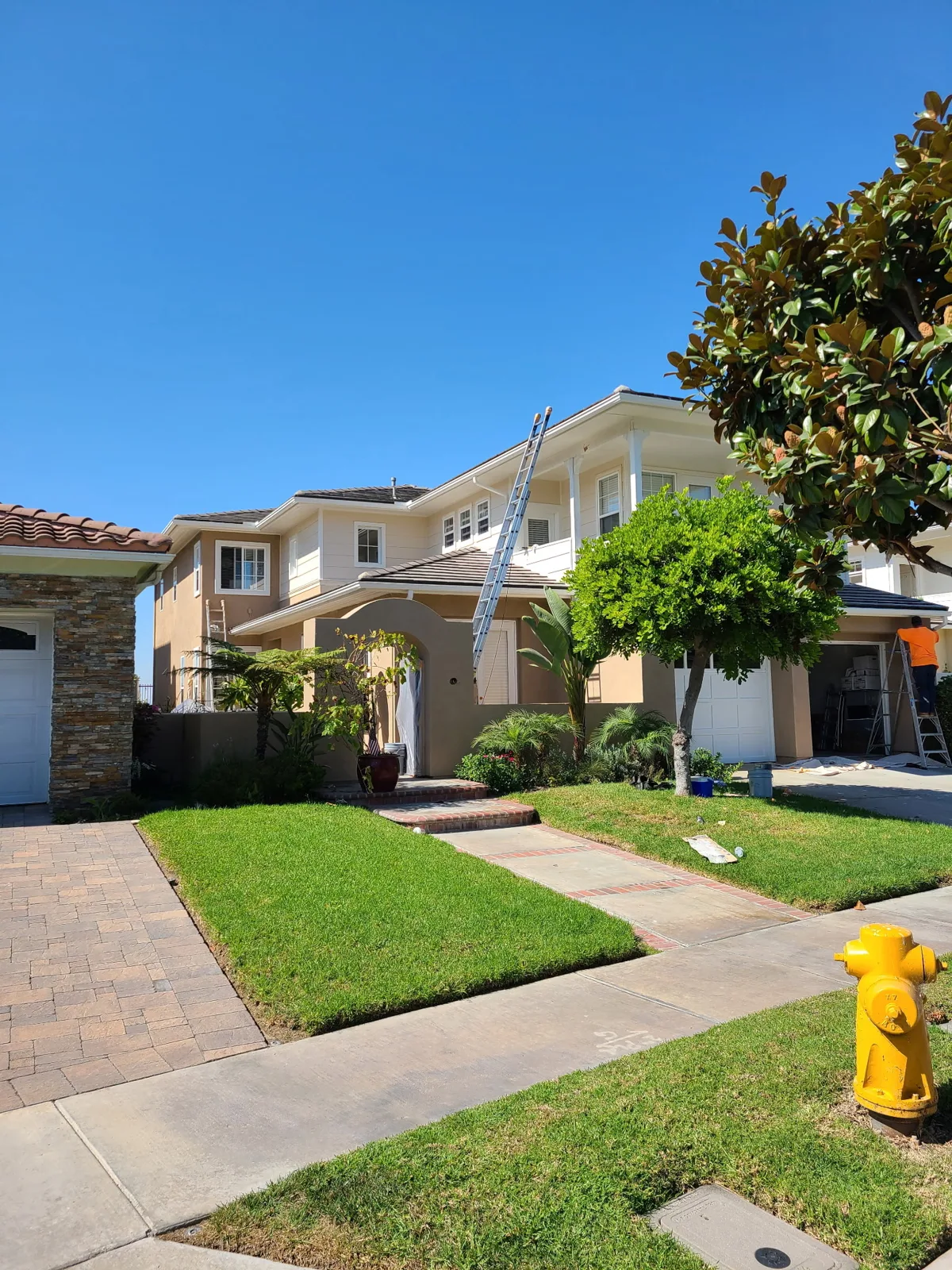
Why Salt Air is Destroying Your Home
Why Coastal Orange County Exteriors Wear Out Faster
Orange County coastal exteriors wear out sooner for a pretty simple reason: salt, UV, and damp marine air hit the coating all at once. That combination is rough on paint and other exterior finishes. It’s also why coastal homes need a coating system made for salt, sun, and moisture.
How Salt Air, UV, and Moisture Each Damage Exterior Coatings
Salt is one of the biggest troublemakers. Salt particles settle on exterior surfaces and keep moisture pressed against the coating film. Once that buildup gets past about 5 µg/cm², the risk of failure goes up. And even at lower salt levels, coatings that don’t have enough flexibility can still start to break down.
UV exposure adds another layer of damage. Strong coastal sun breaks down the binders in paint - the part that holds the pigment together and helps the film stay intact. When that starts to fail, you get chalking, where the surface turns powdery, and fading, where color starts to wash out in uneven patches.
Coastal humidity completes the problem. Fog and moisture keep surfaces damp for long stretches, which can lead to mildew and algae growth and leave the coating under steady stress. If moisture slips behind the coating through a crack or a failed caulk line, blistering and peeling can follow. Coastal exposure often falls into C3 conditions under ISO 9223, which call for coastal-grade coating systems.
The Areas on a Coastal Home That Show Wear First
The first signs of failure usually show up where the home takes the hardest hit: the most exposed walls, along edges, at corners, and around cracks. Those spots deal with the most sun, salt spray, and wind. Metal parts such as hinges, fasteners, and flashing also need a close look, since salt speeds up corrosion. Those wear patterns shape the finish, primer, and caulk choices that come next.
The Right Exterior Paint System for Salt Air and Coastal Sun
Those weak spots call for a matched coating system, not just one topcoat. In coastal areas, wear usually starts at edges, joints, and metal details. That means the coating has to fit both the surface and the amount of exposure it gets.
For coastal Orange County homes, put flexible coatings rated for coastal exposure at the top of the list. That matters because coatings that are too brittle can crack or delaminate even when adhesion looks strong on paper. It also helps to check for documented salt-spray and condensation resistance.
Choosing the Right Finish for Stucco, Siding, Trim, and Doors
Each surface tends to fail in its own way. Large stucco areas need a coating system that can move with the substrate and still hold up in the weather. Trim and doors need extra care at edges and joints, since sharp corners often fail first and should be rounded before coating. Exposed metal needs its own corrosion-resistant system, not the same coating used on walls.
Surface-by-Surface Coating Plan
Different materials break down differently, so the coating plan should change with the surface.
| Surface | Recommended Coating Approach | Key Performance Need |
|---|---|---|
| Stucco | Flexible exterior coating system | Crack resistance, movement tolerance |
| Siding | Flexible exterior coating system | Adhesion, moisture resistance |
| Trim | Flexible finish with rounded-edge prep | Edge durability, flexibility |
| Doors | Matched primer-and-finish system | Adhesion, flexibility |
| Exposed Metal | 3-coat system: zinc-rich primer, epoxy intermediate coat, and high-durability finish coat | Corrosion resistance against salt spray and condensation |
What to Look for in Low-VOC Exterior Paints
Low-VOC coatings still have to deliver the same flexibility, adhesion, and weather resistance. The goal is simple: choose the lowest-VOC product that still meets coastal durability targets.
With multi-part coatings, mixing ratios matter more than many people think. If the mix is off, the coating can lose flexibility and turn brittle. On metal trim and other exposed details, rounding sharp edges and avoiding too much film thickness can also help stop cracking and delamination.
That system only works when prep and primer match the surface.
Prep, Primers, and Caulks That Help Coastal Paint Last
Even the best coastal finish can fail if the prep work is sloppy. Clean surfaces, the right primer, and flexible caulk do a lot of the heavy lifting.
The Right Prep Order Before Any Finish Coat
Order matters here. Each step sets up the one after it.
- Clean first. Wash surfaces well with mild detergent and water, or use an exterior-surface cleaner, to get rid of dust and grease. Salt residue matters too. Contamination above 5 µg/cm² can weaken adhesion.
- Repair cracks and holes. Once the surface is clean, fill cracks and holes with spackling compound or caulk.
- Sand repaired areas smooth. Sand the repaired spots so the surface feels even before you prime.
- Prime, then apply the finish coat. After the surface is clean and repaired, use the right primer before the topcoat.
Skip or rush one of these steps, and the finish coat has to work a lot harder than it should.
How to Choose the Right Primer by Surface and Problem
| Surface / Problem | Primer Type | Problem It Solves |
|---|---|---|
| Water spots or stains | Stain-blocking primer | Prevents stains from bleeding through |
| Glossy surfaces | High-bonding primer | Increases adhesion |
| Exposed steel or iron details | Zinc-rich primer (e.g., Hempadur Zinc 17360) | Corrosion resistance in high-salt coastal environments |
Primer handles two big jobs: helping paint stick and helping metal fight corrosion. Caulk takes care of another weak point by sealing joints where coastal moisture likes to creep in.
Where Flexible Paintable Caulk Matters Most
Use paintable caulk at trim, molding, joints, and crack lines after cleaning and before priming. Those spots often show failure first, so they deserve extra attention.
After caulking, sand the repaired areas flush before priming.
Application Conditions and Maintenance for Longer Repaint Cycles
Application Conditions That Affect How Paint Adheres and Cures
Once prep and primer are done, timing matters just as much. Paint should go on only when the surface is clean and dry, and you need to stick to the manufacturer's recoat window to help the film keep its flexibility.
It also helps to check the weak spots first. Sharp edges, corners, and drainage points tend to take the most abuse from salt, UV exposure, and moisture, so they usually show trouble before the rest of the surface.
A Simple Coastal Paint Maintenance Schedule
On marine-exposed surfaces, mildew, algae, and salt film can start to show up within 6 months. Once the coating has cured, a basic upkeep routine can help it last much longer.
| Task | Frequency | Purpose |
|---|---|---|
| Fresh-water rinse | Every 6 months | Removes salt before it hardens |
| Edge and corner inspection | Annual | Finds early cracking and peeling |
| Drainage check | Seasonal | Prevents standing water |
| Touch-up | Immediate | Stops localized failure from spreading |
Each season, check south-facing walls first because they get the strongest sun.
A little upkeep goes a long way here. It keeps small coastal wear from turning into early coating failure.
Conclusion: A System That Keeps Coastal Paint Looking Good Longer
Coastal paint tends to last longer when small failures are spotted early and fixed right away.
FAQs
How long should coastal exterior paint last?
In coastal Orange County, exterior paint life often comes down to two things: exposure and material choice. Paint on homes near the coast can last for very different lengths of time, even within the same neighborhood. A lot depends on surface prep, humidity, and how much UV exposure the home gets.
To help paint last longer, plan for coastal moisture cycling and strong sun. It also helps to use high-quality 100% acrylic paints and give them enough time to cure. In some cases, that curing period can take up to 30 days, depending on temperature and humidity. That extra patience can mean more time between repaints.
Which exterior paint finish works best near the coast?
For coastal Orange County homes, 100% exterior acrylic latex paint is the best pick. It holds up well against salt air and moisture, and it stays flexible as coastal temperatures shift.
For trim or column wraps, make sure the color has an LRV of 55 or higher. That helps cut down the risk of heat damage. Going with a darker color under 55? Use paint labeled vinyl-safe or paint made with solar-reflective pigments.
When should I repaint a coastal home?
For Orange County homes, repaint your exterior based on how it looks and holds up, not by following a set calendar.
What matters most is the condition of the surface. If you notice peeling, chalking, fading, or corrosion, it’s time to pay attention. In Orange County, salt air and strong UV exposure can wear paint down faster, so those warning signs can show up sooner than you’d expect.
It also helps to time the job around the weather. Aim for days between 60°F and 80°F with low to moderate humidity. And if rain is in the forecast within the next 24 hours, hold off. A little patience here can save you a lot of hassle later.