

Picking coastal white is less about “white” and more about light, salt, and surface. If I want a white exterior to look good near the beach, I need to do 3 things: choose a softer white, test it on the house, and use the right finish and prep.
Here’s the short version:
- Bright whites can look harsh in strong sun
- Salt, dirt, and mildew show fast on white siding
- Undertones matter next to roofs, stone, stucco, and trim
- Large test patches beat small paint chips every time
- Low-luster or satin often works best for siding
- Prep and routine rinsing help white stay clean longer
A white that looks fine on a sample can look flat or glaring on an exterior wall. In coastal areas, sun glare, moisture, and salt buildup can change both the look and the wear of paint. That’s why I’d never choose coastal white from a chip alone.
A few facts make that plain:
- Exterior color can shift a lot from morning to midday to late afternoon
- White paint tends to show runoff streaks, dust, and mildew sooner than darker colors
- Paint makers often group whites by undertone and LRV (light reflectance value), which helps explain why some whites look softer and some look stark
If I had to boil the whole article down to one line, it would be this: test a soft white on several walls, check it in changing daylight, and prep the surface well before painting.
Before You Paint Your House's Exterior White...
Common Ways White Goes Wrong on a Coastal Exterior
Most coastal white paint problems come down to three things: glare, buildup, and undertones that fight your fixed materials. On paper, that sounds simple. On an actual house by the coast, it’s where white can go sideways fast.
And here’s the catch: these issues usually don’t show up on a tiny paint chip. They show up once the color is on the house.
Glare and Harshness from Bright Whites in Direct Sun
A bright white can look clean and sharp on a swatch. But under full Southern California sun, that same white can turn harsh. Instead of looking crisp, the exterior can feel flat and almost blinding.
The wall loses depth, shadows get muted, and small design details can start to disappear. In plain terms, the sun can wash out the character of the home.
Salt Streaks, Dirt, and Mildew That Show Up Fast on White
White doesn’t hide much. Near the beach, that becomes a problem pretty fast.
Salt, dust, runoff, and mildew tend to show quickly on white siding. What looked clean on day one can start looking streaky or dingy sooner than many homeowners expect.
Undertones That Clash with Roofs, Stone, Stucco, and Trim
Undertones tend to show more outdoors, so a white that feels clean inside can read very differently on an exterior wall. That’s where many paint choices fall apart.
White also has to work with fixed materials like roofing, stone, stucco, and trim so the exterior stays visually balanced. That’s why the next step is testing the white on the actual house, not judging it from a small chip.
How to Choose the Right White for a Coastal Exterior
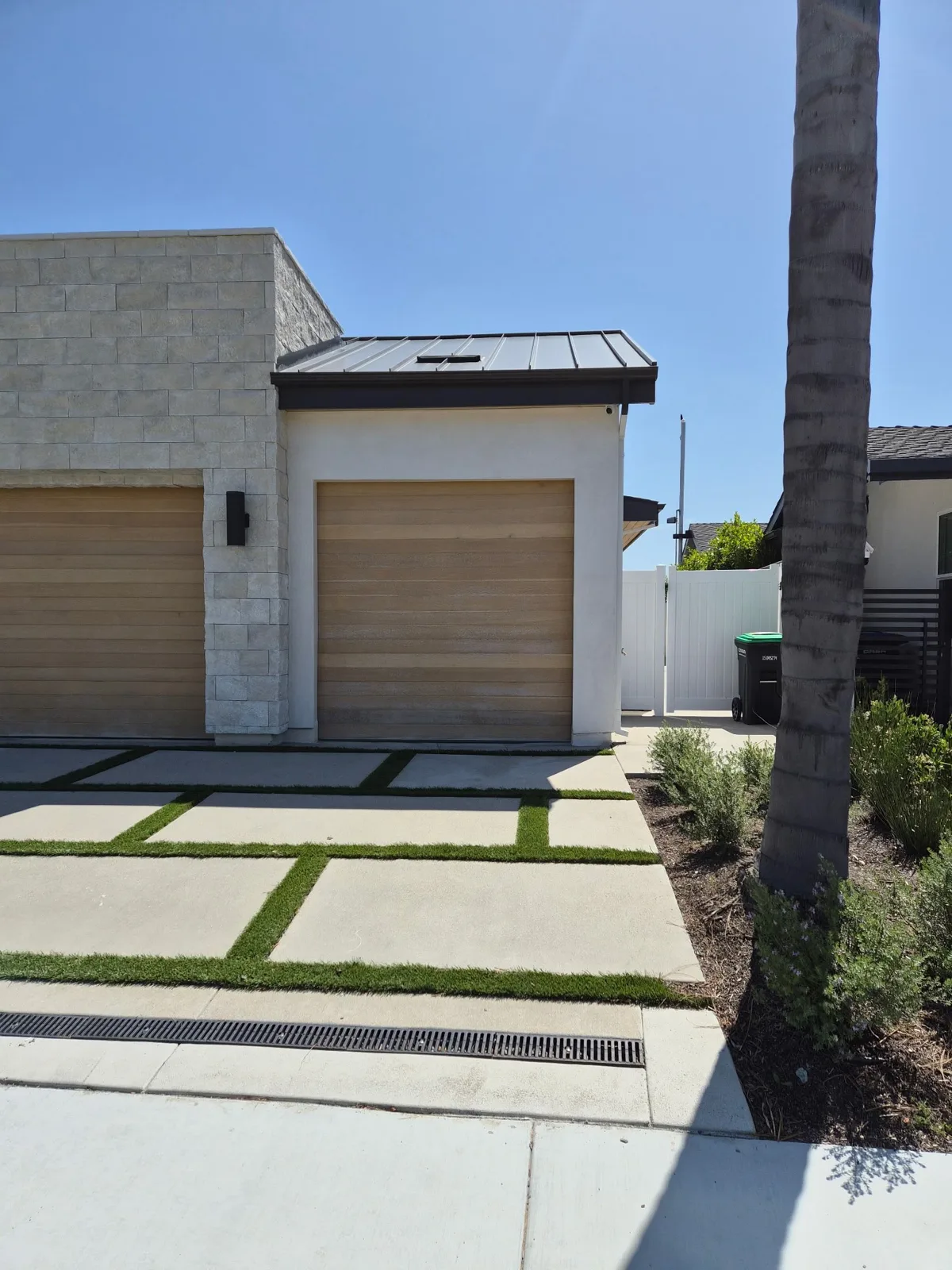
The fix is choosing a white that cuts down glare, hides everyday wear, and works with the home’s fixed materials. So don’t pick from a tiny paint chip alone. Test the color on the house itself.
Pick a Softer White with the Right Undertone and Reflectance Level
Whites can read warm, cool, or neutral. For coastal exteriors, a soft warm or neutral white often works best. Brightness matters too, because the brightest whites can turn harsh and glaring in full sun.
Undertone matters just as much. A white with a warm or neutral undertone tends to sit more naturally next to stucco, roof color, stone, and trim. That small shift can make the whole exterior feel more pulled together instead of stark.
Test White on Multiple Walls at Different Times of Day
White changes from wall to wall and hour to hour, so test it where it will actually live. Paint large sample areas instead of relying on chips. A white that looks perfect in one spot can look dingy or washed out somewhere else.
Check the samples next to the roof, stone or tile, and trim. Then look at them in morning, midday, and late-day light. That’s when you’ll see what the color is actually doing.
Match the White to Your Siding Material
Siding material changes how white reads and how long it looks clean. Stucco, wood siding, fiber cement, and trim can all shift the look of the same color, so test that white on the actual surface before you commit.
Thinking about the siding material up front helps the finish look consistent across the whole home. Once you’ve picked the color, sheen and prep shape how long it stays clean.
Finish and Upkeep for a White Coastal Exterior
Once you’ve picked the color, the next thing that matters is finish and upkeep. On the coast, even the right white can start to look worn if the surface isn’t set up well or cleaned now and then. What matters most here is simple: durability and easy maintenance.
Which Sheen Works Best on Siding, Trim, and Doors
For siding, a low-luster or satin finish usually works best. It gives you a soft look without making every flaw stand out.
For trim and doors, go with a slightly higher sheen. That bit of extra shine makes those surfaces easier to wipe down and wash. And with white exteriors, that helps a lot. A washable finish can help salt, moisture, and stains come off before they sink in.
Prep Work and Routine Care That Keep White Looking Clean Longer
Finish helps, but prep is what gives the paint a fighting chance. White tends to show skipped steps fast, so surface work matters.
Before painting, make sure to:
- Wash away salt and mildew
- Repair cracks
- Sand rough spots
- Prime the surface
After that, a little routine care goes a long way. Keep gutters clear so overflow doesn’t leave streaks on the siding. Rinse the exterior from time to time to cut down on salt buildup.
Conclusion: Getting Coastal White Right Takes Testing, Prep, and Local Know-How
Picking a white paint for a coastal exterior can seem easy at first. In practice, small details can shift the final look a lot. Coastal white only works when the color, finish, and surface prep all fit the home and the light around it. White isn’t the issue. The issue is choosing it without testing it on the house first. Along the coast, bright light has a way of showing every weak pick.
So the safest path is pretty simple: test samples on the home, look at them as the light changes, and prep the surface all the way before painting. That helps cut glare, keeps buildup from standing out, and reduces the odds of ending up with undertones that feel off.
Where Sharp's Painting Fits In
Sharp's Painting works with homeowners and property managers across Huntington Beach and nearby Orange County. The company provides exterior painting, stucco repair, surface prep, and color consultation. Its on-site color guidance helps show how each white will read in coastal light. That local know-how helps turn a paint choice into an exterior that looks right once it’s on the house.
For a coastal white that looks right and holds up, contact Sharp's Painting for a custom quote.
FAQs
How do I know if a white is too bright for my house?
A white exterior paint is probably too bright if it throws off harsh glare in direct sunlight, makes the house hard to look at, or flattens the details that give your home its character.
The best way to check? Paint sample swatches right on your exterior walls and look at them at different times of day. Morning, noon, and late afternoon light can make the same white look completely different. If the color feels stark or too intense in your setting, it’s likely too bright for your coastal home.
What undertone works best on a coastal exterior?
A cool undertone usually works best for a coastal exterior. Whites with slight blue or gray notes tend to look right in coastal light and near the water.
They can also soften harsh yellow bounce from bright sun, which helps the home look crisp and clean without feeling stark. That’s a big part of the classic beach look. Sharp's Painting can help you choose the right shade for your home.
How often should a white exterior be cleaned near the coast?
The available sources do not say how often to clean a white exterior near the coast.
Since no verifiable schedule appears in the results, the article should simply state that a specific cleaning frequency is not publicly provided in the available sources.