
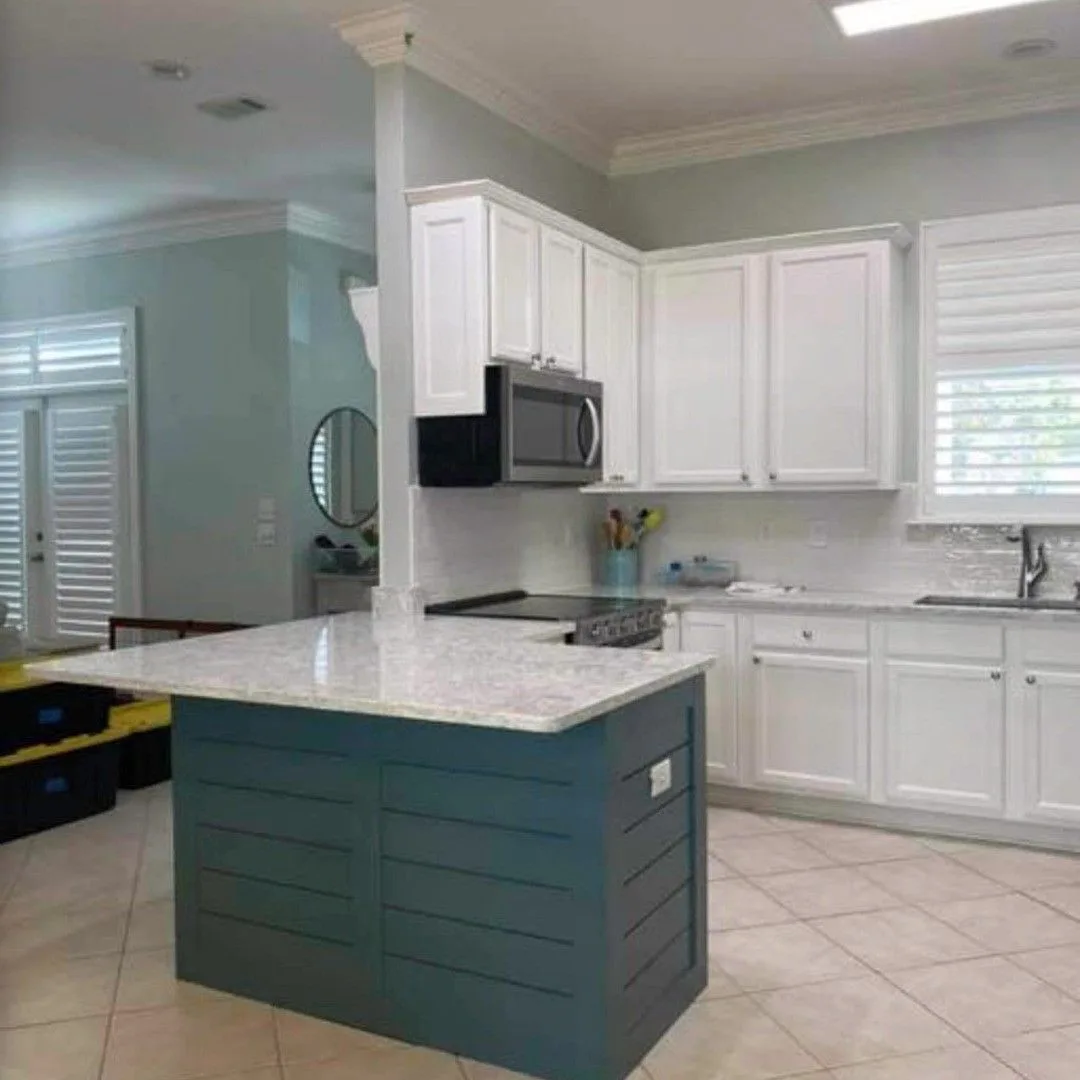
If your cabinets are solid, I’d paint them. If they’re warped, water-damaged, or the layout is a pain, I’d replace them. That’s the short answer.
Here’s the plain breakdown:
- Painting costs less, takes days instead of weeks, and causes less mess.
- Replacement costs more, takes longer, and can mean plumbing, countertop, wall, or floor work.
- Painting only changes the look. It does not fix bad storage, weak cabinet boxes, or water damage.
- Replacement fixes deeper problems and lets you change the layout and storage setup.
- A painted cabinet finish can last up to 10 years with solid prep and the right topcoat.
If you’re living in the home during the work, this choice matters even more. Painting is usually easier to live with. Replacement often means part of the kitchen or bath is out of use for a longer stretch.
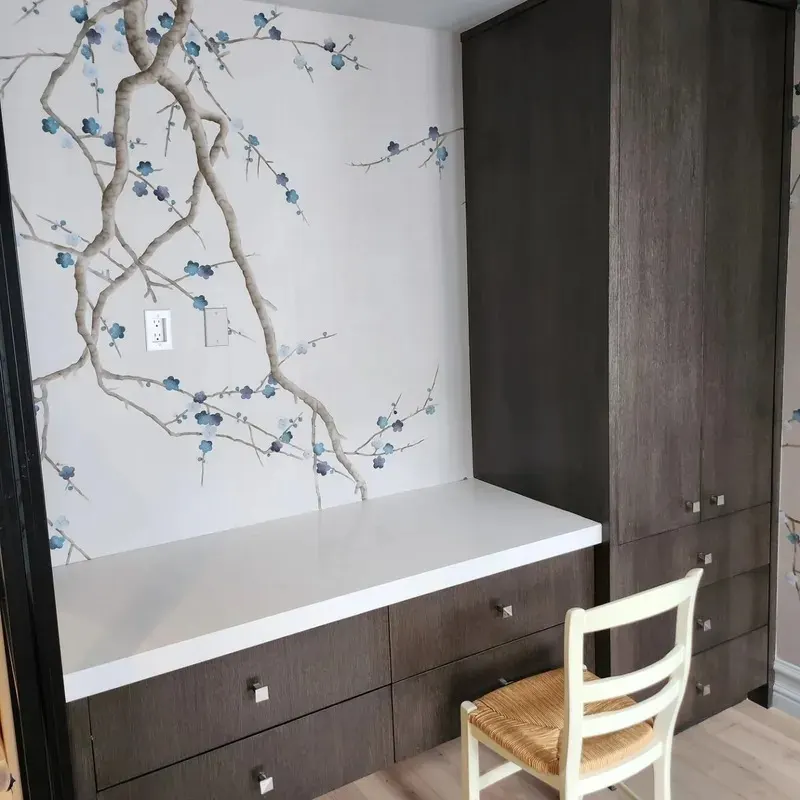
When to Paint vs. Replace Kitchen Cabinets | Expert Advice from Walls by Design
Quick Comparison
| Factor | Cabinet Painting | Cabinet Replacement |
|---|---|---|
| Best for | Sound cabinets with worn finishes | Damaged cabinets or bad layouts |
| Cost | Lower upfront cost | Higher upfront cost |
| Timeline | Usually several days | Often weeks |
| Mess | Sanding dust, masking, drying time | Demo, removal, patching, plumbing work |
| Layout changes | No | Yes |
| Storage upgrades | Limited to hardware swaps | Pull-outs, organizers, soft-close options |
| Structural fixes | No | Yes |
| Lifespan | Up to 10 years with proper prep | Longer, based on material and install |
My take: if the cabinet boxes are straight, dry, and still working well, painting is often the better use of money. If the wood is soft near the sink, drawers keep sticking, doors won’t line up, or the room layout no longer works, replacement is the better call.
This article lays out the choice by cost, timeline, disruption, lifespan, cabinet condition, and resale impact so you can decide what fits your home.
When Cabinet Painting Makes Sense
Painting cabinets makes sense when the cabinet boxes are solid, the doors and drawers still work well, and the main issue is the old finish. In plain English: if the structure is fine and the surface looks tired, paint can do the job.
The best outcomes usually come from cabinets with sound boxes and stable surfaces.
Best Candidates: Solid Wood or Quality Plywood Cabinets in Good Shape
Solid wood and quality plywood cabinets are the top picks for paint because they hold up well and take finish more evenly.
If your cabinets are built well and still feel sturdy, painting can give them a new look without tearing the whole kitchen apart.
What Painting Delivers: Lower Cost, Faster Turnaround, Less Mess
Painting usually costs less, takes less time, and creates less mess than a full cabinet replacement.
That said, the prep work does the heavy lifting. Cleaning, sanding, caulking, and priming have a big effect on how long the finish lasts. Skip that work, and the paint job can go south fast. A tinted primer also helps dark colors cover more evenly.
What Painting Cannot Fix: Layout Problems and Failing Structure
Paint changes the color and finish. That's it.
It won't fix an awkward layout, poor storage, or a cabinet box that's warped or damaged by water. And if grease or moisture residue is still on the surface, the paint can peel or crack much sooner than expected.
When the main problem is damage, warping, or a layout that just doesn't work, replacement starts to make more sense.
When Cabinet Replacement Is the Better Choice
Sometimes paint just isn't enough. When cabinets are falling apart or no longer work for the room, replacement makes more sense.
Clear Signs Your Cabinets Need Replacing
The clearest warning sign is water damage. If the wood around a sink base feels soft, shelf bottoms have swollen, or particleboard is starting to crumble, moisture has already gotten into the core material. That's not a surface issue.
The same goes for cabinets that are warped or racked. If drawer fronts don't sit flush or the gaps around cabinet doors look uneven, you're usually dealing with a structural issue, not a simple hinge fix.
A few other signs can point to the same problem:
- Doors still won't close properly after adjustment
- Drawers keep sticking even after the hardware has been tuned
- Hidden moisture damage shows up behind the cabinet, especially near sink bases
What Replacement Can Do That Painting Cannot
If the cabinet boxes are failing, replacement does more than swap out old materials. It lets you change the layout, hide exposed plumbing and electrical stubs, and fix issues that paint simply can't touch.
It also gives you access to newer storage add-ons, like pull-out shelves, drawer organizers, and soft-close hardware. So you're not just changing how the cabinets look. You're changing how the space works day to day.
The Downsides: Higher Cost, Longer Timeline, More Disruption
Here's the hard part: replacement costs much more than painting, and it usually takes weeks instead of days.
The job often includes demolition, countertop removal, plumbing disconnection, and sometimes wall or floor repair once the old cabinets are out. That means more dust, more noise, and more time without a working kitchen or bathroom. Water shutoffs are often part of the process too.
On top of that, adhesives and silicone may need at least 24 hours to cure before the space is ready to use. So while replacement can fix problems paint never will, it also brings a bigger mess and a longer wait.
Cabinet Painting vs Cabinet Replacement: Side-by-Side Comparison
Below is a direct comparison of the factors that usually shape this choice: cost, downtime, lifespan, and how much you can change.
| Factor | Cabinet Painting | Cabinet Replacement |
|---|---|---|
| Upfront Cost | Lower upfront | Higher upfront |
| Timeline | Several days for prep, priming, painting, and curing | Longer; demolition, fitting, and any plumbing or layout work extend the schedule |
| Disruption | Sanding dust, taped surfaces, and drying time | Plumbing gets disconnected, old units are removed, and wall or floor patching may be needed |
| Structural Changes | None; limited to color and sheen | New layouts, better storage, and hardware upgrades |
| Durability / Lifespan | Up to 10 years with proper prep and a satin or semi-gloss finish | Longer; depends on material quality and installation |
| Resale Impact | Freshly painted cabinets can help a room feel updated when the structure is sound | Stronger appeal when the old layout or condition was a visible weakness |
The simple takeaway: painting keeps a solid cabinet in place, while replacement deals with layout or structural issues.
How Budget, Lifespan, and Resale Value Stack Up
Painting costs less at the start and can last up to 10 years with the right prep and finish. Replacement costs more, but it can pay off more when the old layout or cabinet condition already hurt the room’s appeal.
How Disruption, Timing, and Daily Use Compare
Painting is usually the easier path to live through day to day. There’s still sanding dust, taped-off surfaces, and drying time, but the job is shorter overall. Replacement takes longer and tends to affect more of the home, especially when plumbing, removal, fitting, and patching are part of the work.
How to Choose the Right Option for Your Property
Once you compare cost, mess, and how long each option is likely to last, the next step is pretty simple: look at the cabinet condition and think about whether the current layout still works. In most cases, the decision comes down to four things: cabinet condition, budget, layout needs, and expected lifespan.
Choose Painting If the Cabinets Are Sound and You Want a Fresh Look
Painting makes sense when the cabinets are still in good shape. If the cabinet boxes are square, the surfaces are level, the doors and drawers line up, and there's no moisture damage around the sink or plumbing area, they're solid candidates for paint.
The key is prep. Good prep work helps the finish hold up over time. If you pair fresh paint with new hardware, you can give the room a more current look without tearing out the layout. For everyday use, a satin or semi-gloss finish tends to work well.
Choose Replacement If the Cabinets Are Failing or the Layout No Longer Works
If the issue is structural, this stops being a paint decision.
Warped frames, uneven reveals that still look off after hinge adjustments, visible rot, or moisture damage in the baseboards or framing behind the cabinets all point to deeper trouble. In that case, paint may cover the surface, but it won't fix what's underneath.
Replacement also becomes the only option when the layout itself is the problem. If you need to change the footprint, add storage, or deal with possible mold or rot inside the wall cavity, replacement is the path that handles it.
Final Takeaway for Southern California Homeowners
For Southern California homeowners, the right call depends more on cabinet condition than on how the room looks at first glance. In coastal Southern California homes, painting is a good fit for sound cabinets that just need a visual update. Replacement fits cabinets that are damaged, worn down, or no longer doing the job. A quick condition check is often enough to make the choice pretty clear.
FAQs
How do I know if my cabinets are solid enough to paint?
Focus on your cabinets’ overall condition, not just the color they are now. They’re a good fit for paint if they’re structurally sound and still work the way they should.
Skip cabinets that are warped, have water damage, or have hardware that no longer works right. Paint won’t hide those issues; in many cases, it just makes them stand out more. Good prep matters too. Cleaning, sanding, and making repairs help the new finish stick and hold up over time.
Is cabinet painting worth it if I plan to sell soon?
Yes, cabinet painting is often worth it if you plan to sell soon. It can give your kitchen or bathroom a cleaner, more updated look without the much higher price of replacing the cabinets.
For the best return, surface prep matters a lot. Using high-quality materials also helps you get a durable, professional-looking finish while lowering the risk of peeling or patchy coverage.
Can I replace only some cabinets and paint the rest?
Yes - you can replace some cabinets and paint the rest so everything feels pulled together.
This mix-and-match approach can help you stay on budget while still fixing spots that need better function. The big thing is consistency. Your painted cabinets should work with the new ones in both color and finish, and the prep work needs to be done right so the final result lasts and looks high-end.